I Bought Andy Warhol

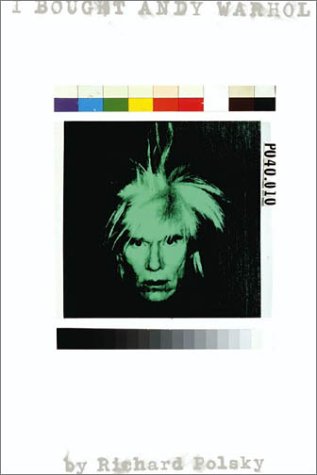
I Bought Andy Warhol You are looking at the same time, I recommend it because I Bought Andy Warhol is a useful and effective product to use, very easy to install, easy to carry. At first, the neighbors, I bought it used. I Bought Andy Warhol appears that they really like it. I have tried to use it for our family. The resulting impression is very much in use. And the beauty of it is modern. There is a purpose for its use. If you think I Bought Andy Warhol is expensive then you thought wrong. It is a product that's right for them. I Bought Andy Warhol will make you love it, you'll just love I Bought Andy Warhol.

I Bought Andy Warhol Overview
In 1987 art dealer Richard Polsky set aside 0,000 to purchase for his private collection a painting by famed Pop artist Andy Warhol - a process that took him 12 years. His journey, spanning the art world of the go-go 1980s to the recession of the 1990s, is recounted here. Artists, gallery owners, auction houses and collectors all play a role in this tale that illuminates not only Warhol the person - and his place in art history - but also the machinations and marketing that fuelled his celebrity, driving the price of his paintings to the top of the market. As an industry insider, Polsky reveals the relationships that make the art world go round. This book presents a behind-the-scenes look at that world - a look that reveals it to be filled with humour, hypocrisy, gossip, greed, manipulation and money.
I Bought Andy Warhol Specifications
So what was it like to be an art dealer in the go-go ‘80s? California-based private dealer Richard Polsky drops some juicy anecdotes into an account of his quest to add a Warhol painting to his personal collection. The title of his book, I Bought Andy Warhol, is a wink-wink reference to a film about a disgruntled Factory member who shot the artist in 1968. Polsky’s attitude is wryly bemused as he recounts tales of practical jokes, petty grudges, peculiar dining experiences, and other indignities that befall a little guy in a world of sharks. The cast of characters includes heavyweight New York dealers Ivan Karp, Jim Corcoran, and Larry Gagosian as well as mid-range collectors and artists better known in California than in Manhattan. Warhol himself makes no personal appearances, though Polsky assiduously tracks fluctuations in the superstar’s market value. Along the way, there are useful nuggets ranging from questions a potential art buyer should ask a dealer to typical auction house pricing strategies. The author is a likeable character who demonstrates surprising candor about trying to make a living in the early ‘90s, when art prices plummeted. While some readers may be taken aback by Polsky’s relentless stress on the monetary worth of a work of art as opposed to its aesthetic value, his book is a gossipy account of running a unique kind of business, selling one-of-a-kind products in a highly volatile market. —Cathy Curtis
